https://www.wonarm.com/why-tokyo-was-spared-unraveling-the-atomic-bombing-decisions-of-wwii/
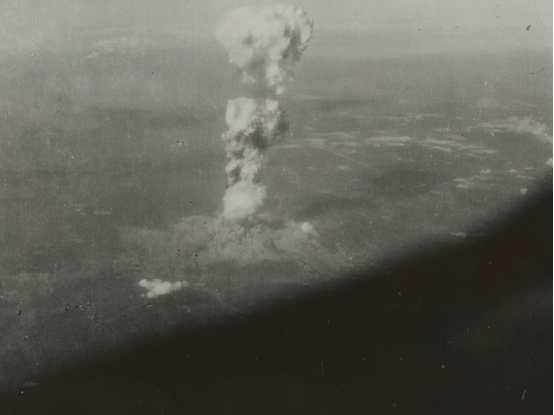
On August 6, 1945, a B-29 bomber quietly flew over Hiroshima, Japan, carrying an atomic bomb codenamed “Little Boy” in the cabin. A few minutes later, a dazzling white light flashed across the sky, a huge mushroom cloud rose into the sky, and the entire city was instantly reduced to ruins. Just three days later, another more powerful atomic bomb “Fat Man” exploded over Nagasaki, pushing the city into hell on earth.
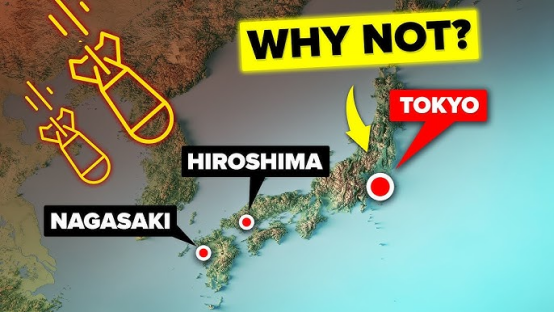
These two bombings not only ended World War II, but also opened the prelude to the nuclear age. But a question still evokes deep thought: Why were Hiroshima and Nagasaki the targets, rather than Japan’s capital, Tokyo?
In the eyes of many people, Tokyo, as the center of Japan’s politics, economy and culture, should be the most symbolic target. If the United States wanted to force Japan to surrender in the most shocking way at the time, the capital seemed to be the most direct choice. But the truth is not that simple. Behind it are military strategies, political considerations, psychological warfare and cold scientific logic.
Tokyo no longer existed in 1945?
The premise for selecting a target for the atomic bomb was that the city had to be able to demonstrate the destructive power of the new weapon. Tokyo was indeed Japan’s most important city, but by the summer of 1945 it had been completely destroyed by the massive conventional bombing .
Tokyo Raid
On March 9-10, 1945, the U.S. military carried out one of the most devastating air raids in history: the Tokyo Raid . B-29 bombers dropped hundreds of thousands of tons of incendiary bombs, and the entire city was engulfed in flames, killing more than 100,000 people and leaving millions homeless. This bombing reduced Tokyo to ruins, and the extent of the destruction was even greater than the later atomic bombing of Hiroshima.
The city’s infrastructure had collapsed.
By August, Tokyo had almost nothing worth showing. The blocks were razed to the ground and the city’s functions were paralyzed. If the United States dropped an atomic bomb on Tokyo, the actual effect would not only be inconspicuous, but it might even be mistaken for an ordinary air raid.
In other words, the United States needed an entire city to demonstrate the absolute destructive power of nuclear weapons.
Why Hiroshima and Nagasaki? Scientific and strategic considerations
1. The need for a “perfect experimental environment”
In a way, what happened to Hiroshima and Nagasaki was part of a “nuclear experiment.” The U.S. goal was not only to force Japan to surrender, but also to demonstrate the power of the atomic bomb to the world, especially the Soviet Union.
Conditions in Hiroshima
Hiroshima is an important military command center in Japan, with a large number of troops and supplies stationed there. At the same time, the city is moderate in size and has a flat terrain, which is very suitable for observing the effects of explosions. The US military hopes to collect data through this bombing to assess the radius of destruction, the speed of flame spread, and the psychological impact.
Nagasaki
was not the first choice. The original target was Kokura, but due to weather conditions, the B-29 bombers were eventually diverted to Nagasaki. Nagasaki is an important industrial and shipbuilding base in Japan and has strategic significance for Japan’s military industrial system, which makes it an ideal candidate in the “reserve list”.
2. Political considerations: retaining the emperor’s “right to speak”
The United States is well aware that Japanese society is highly concentrated on the emperor’s appeal. If the emperor dies or Tokyo is completely destroyed, the Japanese government may fall into anarchy, making post-war management much more difficult.
Therefore, the United States chose to retain Tokyo and the Imperial Palace to ensure that Japan could issue a surrender edict through the emperor and minimize chaos. This is why after the war, Emperor Hirohito still appeared on the radio to announce unconditional surrender to the whole country.
The real purpose of the atomic bomb: not just to end the war
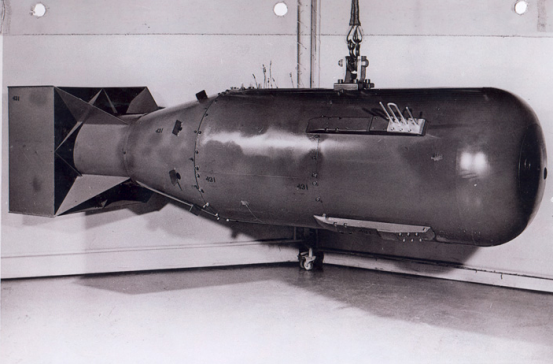
Many people believe that the dropping of the atomic bomb was only to force Japan to surrender as soon as possible, to avoid the Allied landing operations, and to reduce casualties. This is indeed an important reason, but it is not the only one.
The shadow of scientific experiments
The Manhattan Project cost nearly $2 billion and brought together the top scientists of the time. For the military and the scientific community, the atomic bomb was not only a weapon, but also the “ultimate experiment” to verify nuclear fission theory and engineering technology.
World
War II. In August 1945, the European battlefield had ended and the Soviet Union was rapidly expanding in Asia. The United States hoped to demonstrate its military superiority to the Soviet Union through a shocking nuclear strike and prevent an unfavorable situation in the early days of the Cold War.
Hiroshima and Nagasaki were thus not only military targets but also political theatres.
What would happen if it were launched in Tokyo?
Assuming the United States really chooses Tokyo, what will be the consequences? Historians believe that the result may not accelerate Japan’s surrender, but will bring greater chaos:
Interruption of communications and government orders
If Tokyo is completely destroyed, the Japanese government may not be able to effectively issue an armistice order, and the war may be delayed, resulting in more casualties.
administrative
center will increase the difficulty of occupation and governance by the US military, and may even lead to the rise of local forces, bringing uncontrollable risks.
This is also why retaining Tokyo is a more “smart” strategic choice for the United States.
The Legacy of Hiroshima and Nagasaki: The Beginning of the Nuclear Age
The death toll from the two atomic bombs is staggering:
About 140,000 people died in Hiroshima due to the explosion and radiation
About 70,000 people died in Nagasaki
This not only ended World War II, but also allowed mankind to face the destructive power of nuclear weapons for the first time. From then on, the world entered an era of “nuclear terror balance”.
To this day, the Hiroshima Peace Memorial Museum and the Nagasaki Atomic Bomb Museum still record that history and remind humanity of the cost of nuclear war.
What do you think?
How would World War II have ended without the atomic bomb? Did the sacrifices in Hiroshima and Nagasaki really shorten the war?
More importantly, is it possible that the world today could once again face the threat of nuclear weapons?
Feel free to leave your comments in the comment section, and don’t forget to share this article with friends who are interested in history and international politics.
https://www.wonarm.com/why-tokyo-was-spared-unraveling-the-atomic-bombing-decisions-of-wwii/