https://www.wonarm.com/an-in-depth-guide-to-5-countries-americans-cant-easily-visit/
In the globalized 21st century, people often say that “the world has no walls”, but this is not true. For most Americans, traveling abroad has become a daily routine, and a passport is a passport to the world. However, there are still some countries that are almost completely closed to American citizens due to legal, political or security reasons.
These countries are not just “unwelcoming”, but have clearly set up high walls – some have visa restrictions, some simply ban entry, and what’s worse is that once you take a wrong step, you may never be able to return home. Let’s take a look at these countries that are almost “off-limits” for Americans and the reasons behind them.
5. Eritrea: The mysterious and inaccessible Horn of Africa
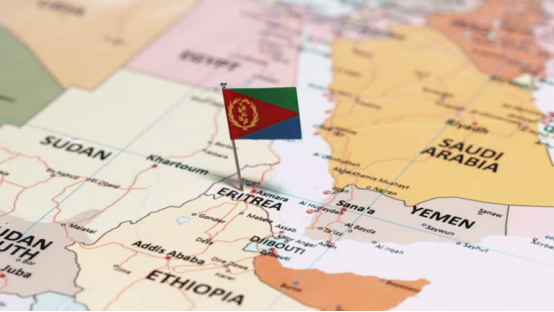
Eritrea, located in the Horn of Africa, is one of the most mysterious and closed countries in the world. Not only does this country lack normal diplomatic channels with the United States, but it also has shockingly strict visa controls.
If you are a US citizen, you need to meet a nearly impossible requirement to enter Eritrea: obtain a special permit from the US State Department. The problem is that almost no one can successfully apply for such a permit.
Why? The reason is that Eritrea has long had a tense relationship with the United States, and the government is highly wary of foreigners, especially Western tourists. In addition, the United States has no embassy in the country, and if you get into trouble here, you can’t even get the most basic consular protection. This means that once you decide to enter, you take all the risks.
In addition, Eritrea’s international isolation has made it an information black hole. With a lack of tourist facilities and limited communications, the outside world knows little about its true situation. For explorers, this may be full of temptation, but for ordinary tourists, it means extremely high uncertainty.
4. Cuba: Restricted travel under the shadow of history
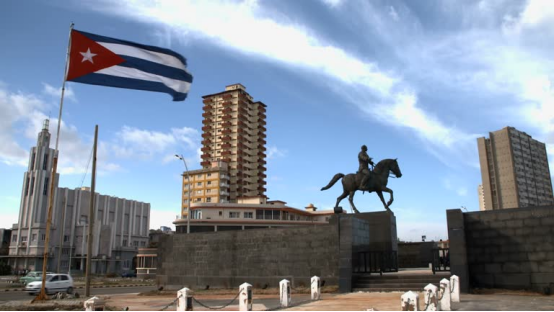
Cuba, with its romantic Havana, vintage cars, and Caribbean breeze, sounds like a vacation paradise. However, for Americans, this welcoming island has an invisible wall.
Although diplomatic relations between the United States and Cuba have eased in recent years, the US government still imposes strict restrictions on citizens traveling to Cuba. Ordinary sightseeing is still prohibited , and even if you buy a ticket, you may be denied boarding.
Only certain categories of people can enter legally, such as:
Immediate family visits
Government or news agency work
Educational exchange or humanitarian activities
This means that if you just want to drink a mojito on the streets of Havana, there are almost no legal ways to do so. In addition, the US Treasury Department has restrictions on travel expenses, and any spending involving the Cuban government may violate US law.
Why is it so strict? Behind this is decades of complicated historical grievances and the continued control of the US policy towards Cuba. For American tourists, Cuba is not just a destination, but also a sensitive political symbol left over from the Cold War.
3. Venezuela: From oil-rich country to crisis country
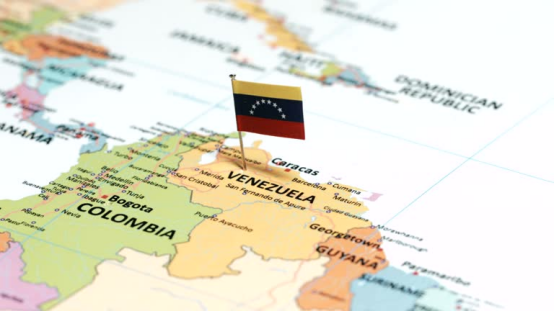
Venezuela was once the oil giant of Latin America and one of the richest countries in South America. However, in the past decade, it has been mired in economic collapse, political turmoil and social violence.
For American citizens, this has almost become a “danger zone”:
The closure of the U.S. Embassy in Venezuela means there is no consular service to rely on
It is extremely difficult to obtain a visa, and many applications are rejected.
The risk to personal safety is extremely high , including kidnapping, robbery, and even detention without reason
The U.S. State Department has repeatedly issued its highest level of travel warnings, telling citizens “do not travel” to Venezuela. Even if you do manage to get in, you may face power outages, food shortages, and a collapsed health care system.
If traveling is likened to an adventure, then going to Venezuela is like walking into a wasteland with no signal, where the unknown and danger coexist.
2. Iran: A mysterious country under strict supervision
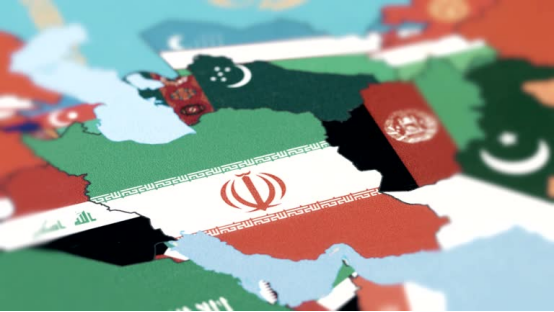
Iran is known for its rich history, ancient Persian civilization and magnificent architecture, making it a dream destination for culture lovers. However, if American citizens want to experience the beauty of Iran in person, they have to pay a huge price.
First, it is extremely difficult to obtain an Iranian visa. Even if you succeed in applying, American citizens must join a group tour with a full guide , making it almost impossible to move freely. Second, the US government has issued a strong warning against traveling to Iran for the following reasons:
U.S. citizens may be detained without cause
Political tensions with the Iranian government increase travel risks
In recent years, there have been several cases of Americans being arrested on espionage charges, even though they were just ordinary tourists or scholars, making travel to Iran not only expensive but also psychologically stressful.
1. North Korea: A completely closed door
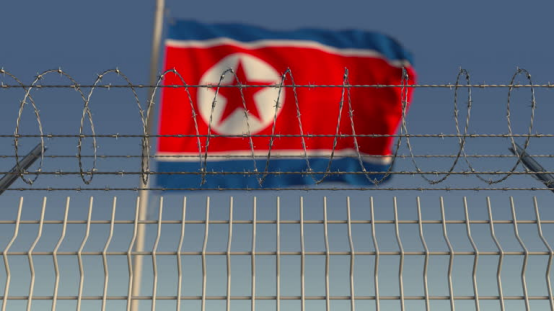
At the top of the list is undoubtedly North Korea. This mysterious country has long been highly closed to the outside world, and since 2017 , the US government has directly banned its citizens from traveling to North Korea.
Even for humanitarian or journalistic reasons, it is extremely difficult to apply for special permission. What’s more frightening is that once you enter illegally, the consequences may be arrest, long-term detention, or even a diplomatic deadlock. In 2017, American college student Otto Warmbier was arrested for “political propaganda crimes” and ended in tragedy. This incident directly led to the full implementation of the ban.
In other words, North Korea is not only a restricted area for Americans, but also a red line that carries life-threatening risks.
Why are these countries closing their doors to Americans?
Behind this are complex geopolitics, historical grievances, and security considerations:
Political factors : The long-term hostility between the United States and Cuba, Iran and the United States has affected people-to-people exchanges
Security issues : Venezuela’s social order has collapsed, and North Korea’s opaque system makes it impossible for the U.S. government to guarantee the safety of its citizens.
Legal restrictions : The United States has also enacted policies to restrict citizens from traveling to these high-risk areas
Interestingly, the existence of restricted areas makes them more mysterious and more attractive to those who like extreme travel.
If these restrictions were removed, would you go?
Imagine if North Korea, Iran, and Cuba were fully open to American tourists, would you book a ticket immediately? Or do you still think that the risks and uncertainties in these countries are daunting?
https://www.wonarm.com/an-in-depth-guide-to-5-countries-americans-cant-easily-visit/