https://www.wonarm.com/the-ultimate-guide-to-global-nuclear-weapon-states-and-the-balance-of-power/
When we talk about the security structure of the modern world, nuclear weapons are undoubtedly the most decisive topic. It is not only a symbol of military power, but also a strategic deterrent tool that affects all aspects of international relations. According to the latest statistics, there are currently 9 countries in the world that have nuclear power, with a total of about 12,241 nuclear warheads . Shockingly, the United States and Russia account for nearly 90% of the share, almost monopolizing the nuclear arsenal.
This article will take you through the historical context of nuclear weapons proliferation: Which countries were the first to acquire nuclear weapons? Who has the largest arsenal? Which countries are secretly developing them? Let us follow the chronological order and step by step into this cruel game of power.
Phase 1: The birth of nuclear weapons—the United States’ preemptive strike
Date: July 16, 1945
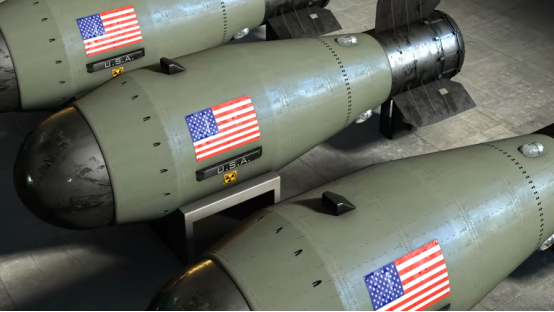
The United States is the first country in the world to successfully manufacture nuclear weapons and the only country to have used atomic bombs in actual combat . In 1945, the first atomic bomb was successfully detonated in the New Mexico desert. This test changed the logic of war and reshaped the international security order. In August of the same year, the United States dropped two atomic bombs codenamed “Little Boy” and “Fat Man” on Hiroshima and Nagasaki, Japan, directly contributing to the end of World War II.
Today, the United States is still one of the most powerful nuclear powers in the world, with about 5,177 nuclear warheads , distributed on the “sea, land and air triad” nuclear strike platforms, including intercontinental missiles, strategic bombers and nuclear submarines. This all-round deployment ensures that the United States has a second strike capability in any conflict.
Soviet Catch-up and Russian Continuity: The Cold War Nuclear Arms Race
Date: August 29, 1949
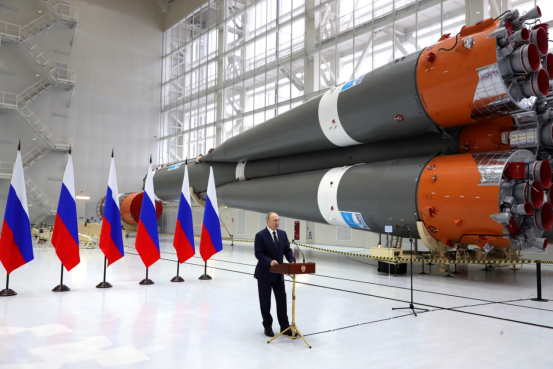
Four years after the United States detonated an atomic bomb, the Soviet Union successfully conducted its first nuclear test and officially became the second country to possess nuclear weapons. This milestone marked the beginning of the nuclear arms race during the Cold War. Both sides continued to increase the number of nuclear warheads over the decades, and at the peak, the total number of nuclear warheads in the world exceeded 60,000.
After the collapse of the Soviet Union in 1991, Russia inherited most of the nuclear arsenal and still maintains the world’s largest position, with about 5,459 nuclear warheads , slightly more than the United States. Although the number is huge, many nuclear warheads are still in retirement or waiting to be dismantled. However, Russia still has a large deployable strategic nuclear force, which is also an important asset for it to maintain its status as a great power on the international stage.
Nuclear Power in Europe: Independent Strategies of Britain and France
Britain: On October 3, 1952,
Britain became the world’s third nuclear power, relying mainly on sea-based strategy, and its nuclear power is almost entirely based on the Vanguard-class nuclear submarines. Currently, the number of British nuclear warheads remains at about 225 , which is a “limited but lethal” scale.
France: On February 13, 1960,
during the Charles de Gaulle era, France firmly promoted “nuclear independence” and did not rely on NATO’s nuclear umbrella. This policy shaped France’s strategic autonomy. Today, France has about 290 nuclear warheads , mainly deployed on strategic bombers and “Triumph-class” nuclear submarines.
Although the nuclear arsenals of these two European countries cannot be compared with those of the United States and Russia, they play a key role within the NATO framework and also ensure their strategic voice in global affairs.
Nuclear Proliferation in Asia: From China to North Korea
China: October 16, 1964
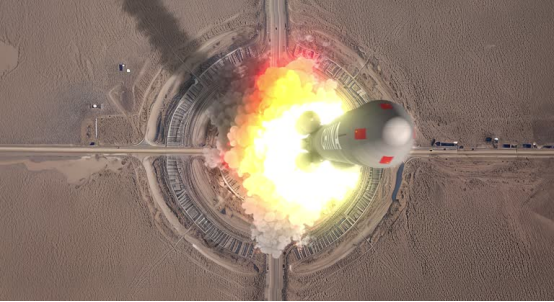
China is the first country in Asia to possess nuclear weapons, and its nuclear program began at the height of the Cold War. At present, China’s nuclear forces are still considered relatively “restrained”, but in recent years, the modernization process has accelerated, the number of nuclear warheads has increased to about 600 , and it has actively developed hypersonic weapons and new missile systems.
India and Pakistan: A Contest of Nuclear Rivals
India : India conducted its first nuclear test, codenamed “Smiling Buddha”, on May 18, 1974, but did not publicly acknowledge its nuclear status until 1998. India currently has about 180 nuclear warheads and continues to advance missiles and submarine-launched platforms.
Pakistan : Pakistan responded quickly to India’s nuclear test on May 28, 1998, becoming the world’s seventh nuclear power. With about 170 nuclear warheads , the nuclear standoff between the two countries has long been considered one of the most dangerous hotspots in the world.
North Korea: October 9, 2006
North Korea is the last country to officially join the nuclear club, and currently has about 50 nuclear warheads and enough material to build nearly 90. This asymmetric nuclear capability has become an important bargaining chip for it in negotiations, and has also made Northeast Asia one of the global security focal points.
Israel: The most mysterious nuclear power
Israel has never publicly admitted to possessing nuclear weapons, but intelligence from multiple sources shows that it already had nuclear capabilities around 1967. It is currently estimated that Israel has about 90 nuclear warheads and may have sea-based nuclear strike capabilities. Due to Israel’s special geopolitical environment, this nuclear ambiguity policy plays a key role in the security structure of the Middle East.
The current status of nuclear-weapon states: What does 12,241 warheads mean?
As of now, the total number of nuclear warheads in the world is about 12,241 , including:
The United States + Russia: nearly 90%
The other 7 countries: only hold about 10% of the world’s
Although the total number of nuclear warheads has declined from the peak of the Cold War, nuclear modernization is accelerating. The United States and Russia are upgrading their intercontinental missiles, China is expanding its missile silos, India and Pakistan are continuing to test new missiles, and North Korea is accelerating its testing. At the same time, the Nuclear Non-Proliferation Treaty is facing challenges, and disarmament negotiations have stalled.
Conclusion: What is the future direction of the nuclear age?
Nuclear weapons are a legacy of the Cold War and are at the heart of the modern security dilemma. On the one hand, they provide “strategic stability” and prevent great power war; on the other hand, any miscalculation could lead to catastrophic consequences.
Will nuclear arms control get back on track in the future? Will new countries join the nuclear club? Or will the proliferation of nuclear technology trigger a new round of geopolitical games?
What do you think? Feel free to share your views in the comments section and forward it to friends who are interested in international relations to discuss this major topic that affects the fate of mankind.
https://www.wonarm.com/the-ultimate-guide-to-global-nuclear-weapon-states-and-the-balance-of-power/